
This Embroidery Stitch Picture Dictionary will help you to identify the stitches even if you don’t know the names! Dig through our embroidery stitch library of 300 stitches below—click over a picture and go directly to the stitch tutorial page. Each stitch page includes step-by-step illustrations and videos to guide you.
Find the stitches in Alphabetic Order.
Back Stitch Family


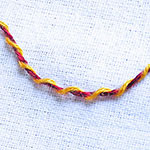


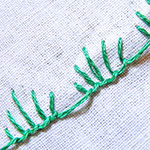
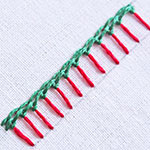
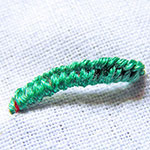
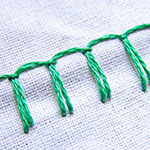
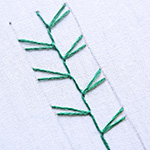
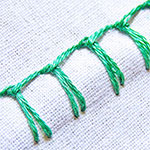
Blanket Stitch Family
|
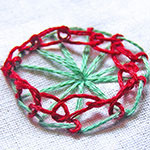
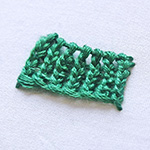
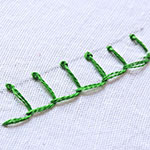
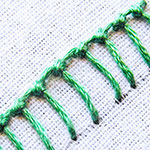
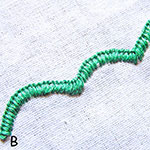
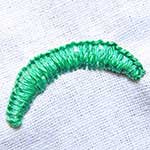
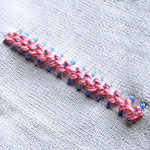
Raised Blanket Stitch
|
||

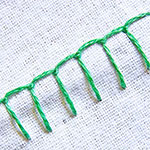
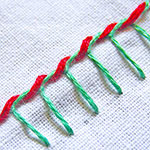
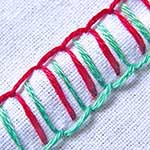
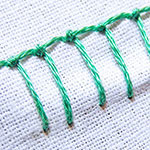
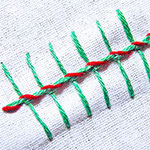
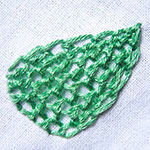
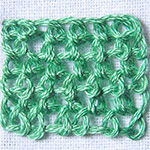
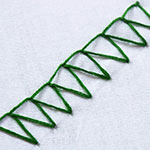
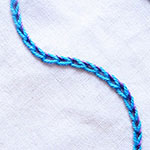
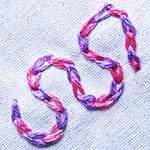
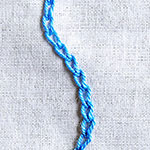
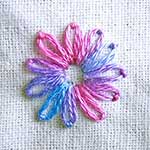
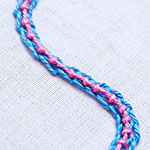
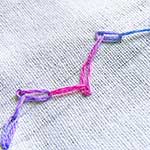
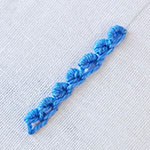
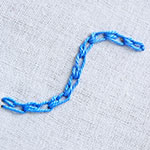
Chain Stitch Family
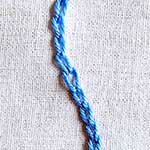
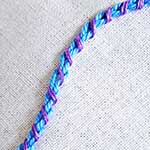
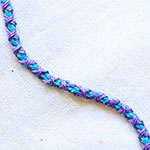
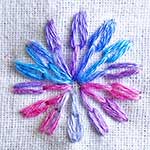
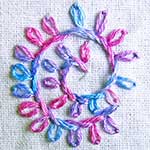
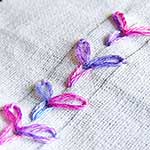
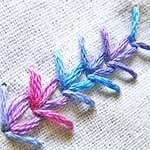
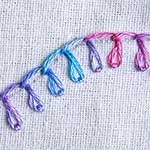

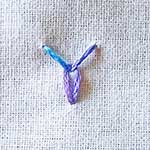
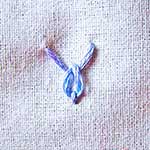
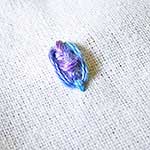
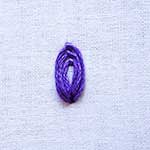
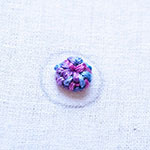
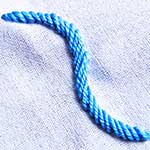
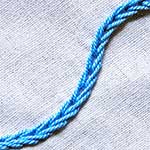
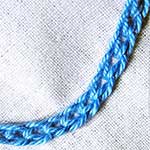
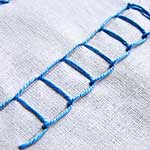
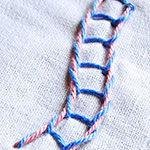
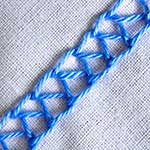
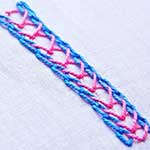
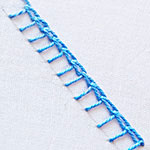
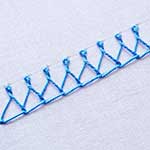
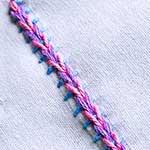
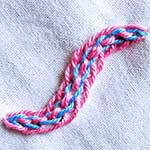
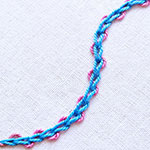
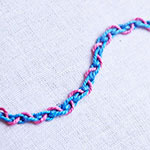
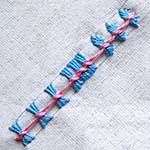
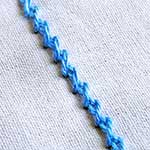
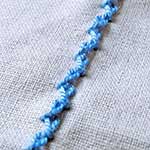
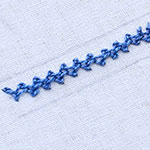
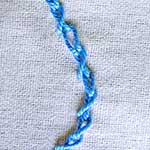
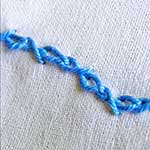
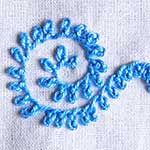
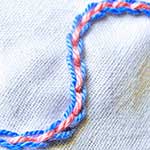
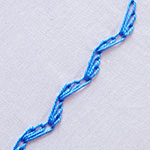
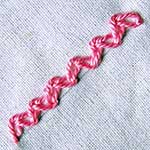
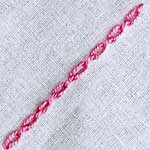
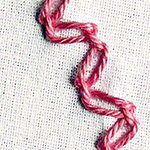
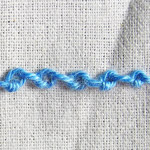
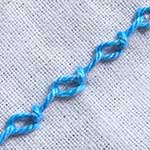
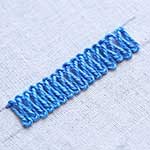
Chevron Stitch Family
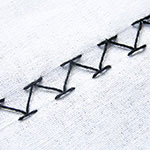
Couching Stitch Family
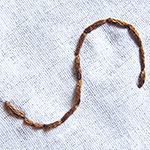
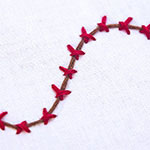
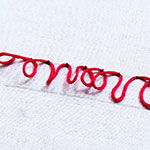
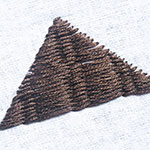

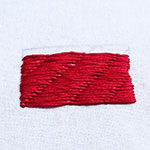
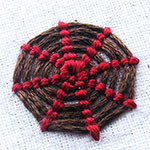
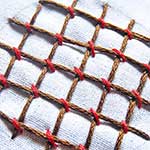
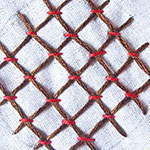
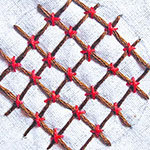

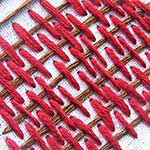
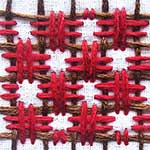
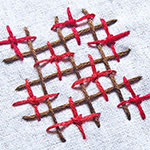
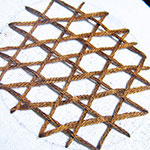
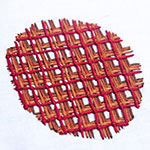
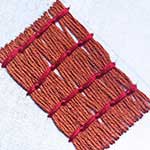
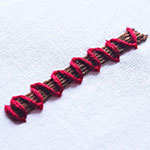
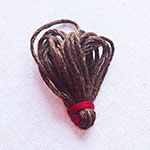
Cretan Stitch Family
|
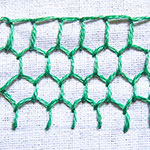
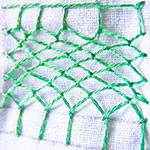
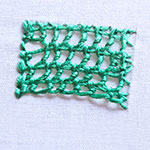
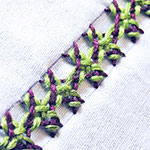
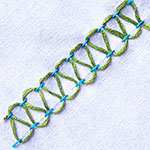
Plaited Insertion
|
||
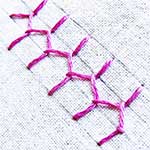


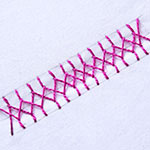
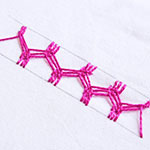


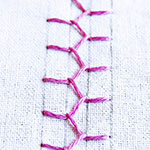
Cross Stitch Family
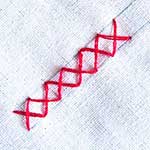
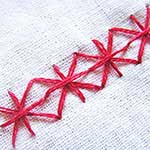
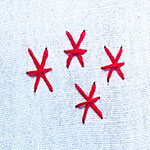
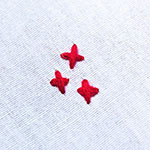
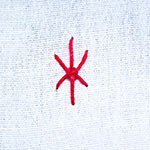
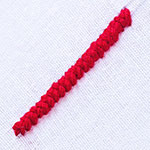
Fishbone Stitch Family


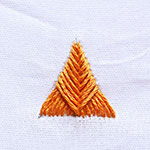
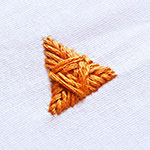


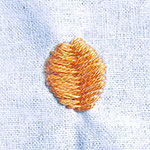
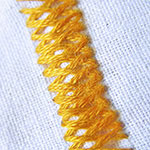
Feather Stitch Family


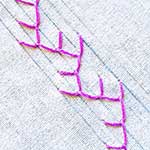
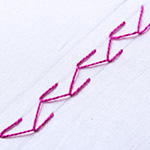
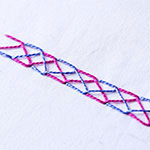
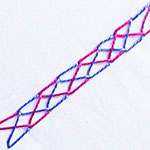
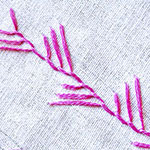

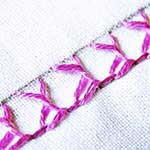
Fly Stitch Family
|
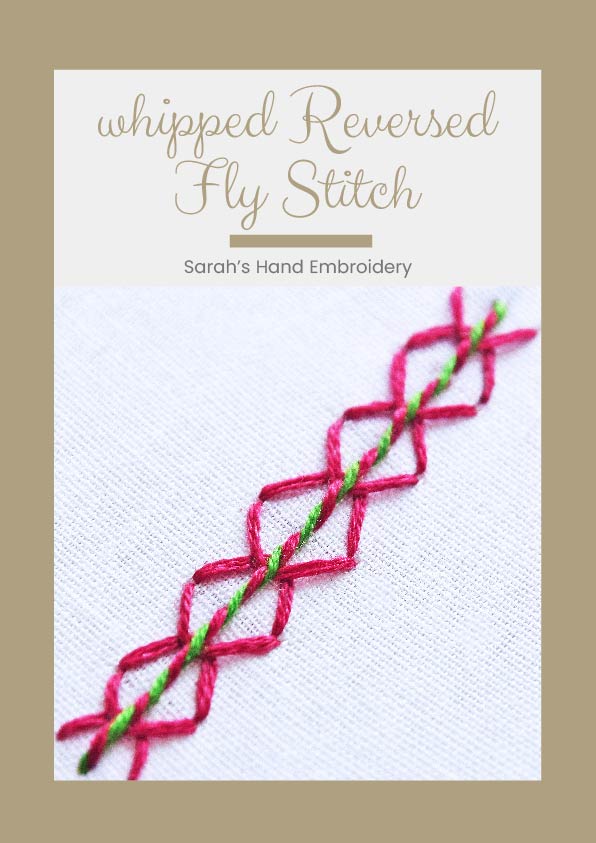
Whipped Reversed
|
Threaded Reversed
|


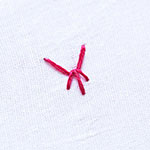
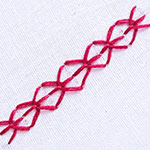
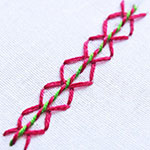
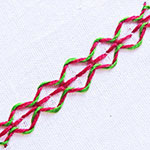

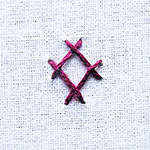
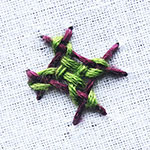
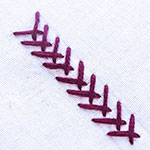
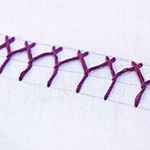
Herringbone Stitch Family
|
Maltese Cross
|
Double Maltese
|
|
|
Interlaced Maltese
|
Int’ced d’ble Maltese
|
|
|
Vertical H’bone
|
Vandyke
|
H’bone Ladder
|
|
Half Herringbone
|
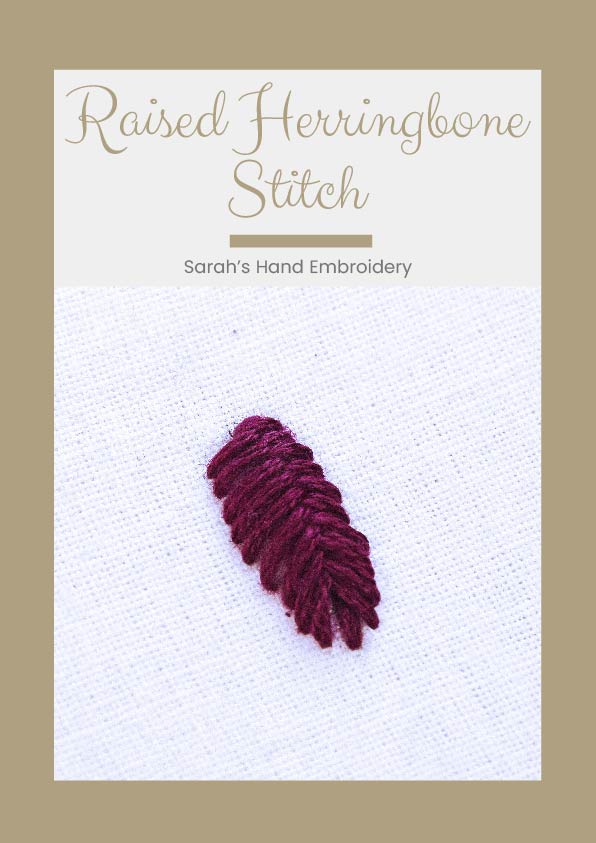
Raised Herringbone
|
|
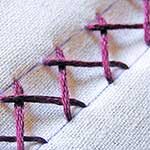
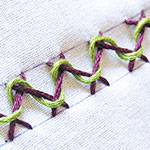
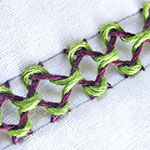







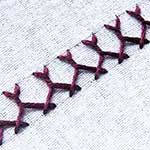
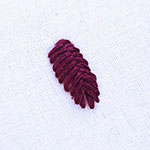
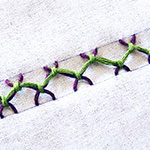
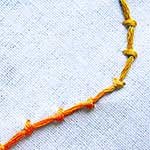
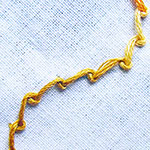
Knot Stitch Family
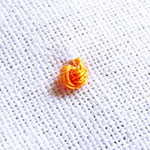
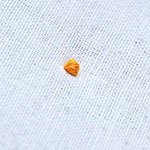
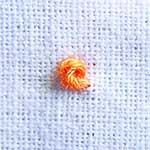
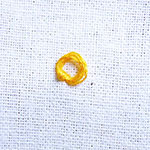
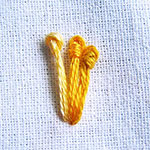
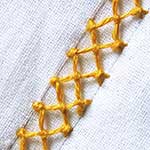
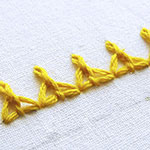
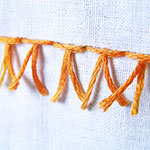
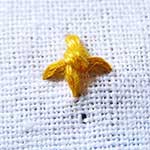
Palestrina Stitch Family
|
Pleated Braid
|
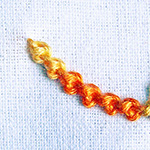
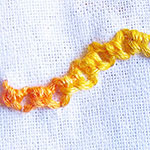
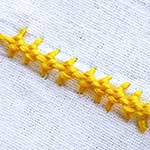
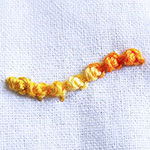
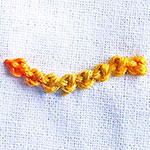
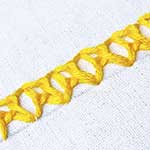
Running Stitch Family


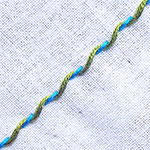
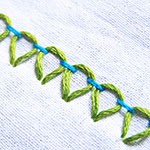
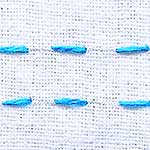
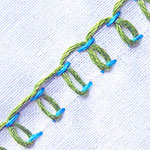



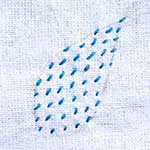
Satin Stitch Family
|
Back Stitched Satin
|
||
|
Double Satin
|


Stem Stitch Family
|
Double Lock Stitch
|
||

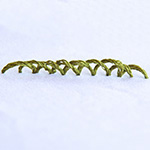


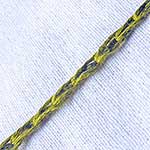


Straight Stitch Family
|
|


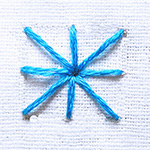
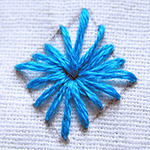


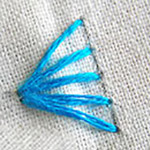
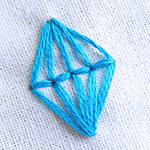
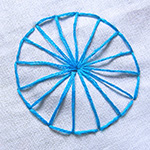


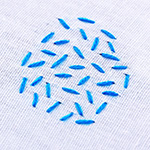
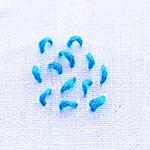
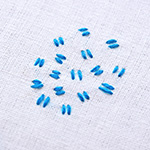


Weave Stitch Family
|
Stripped Woven Band
|
||
|
Broad Woven Picot
|
||

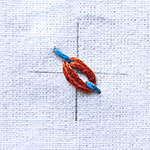
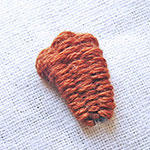
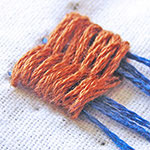
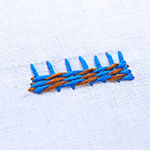
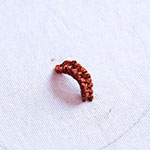
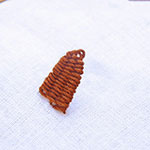
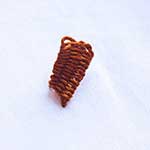
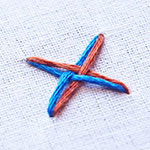
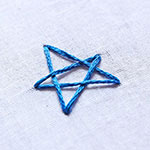
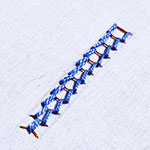
Knit Stitch Family
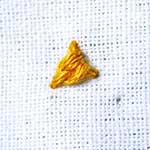
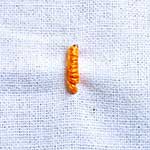
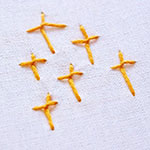
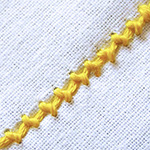
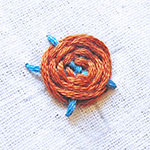
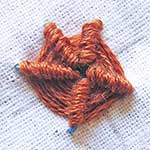
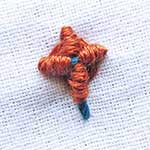
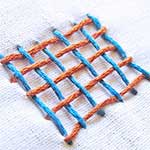
When I started researching and documenting hand embroidery stitches way back in 2007, many stitches looked similar in their basic technique. To make identifying easier, I started categorizing them into different groups. I call each group a Stitch Family. This categorization should help you in easy reference, and for identifying and selecting the stitches. The Stitch Families are placed in alphabetical order. 🙂 Hover over the images for the alternate names in different popular languages.
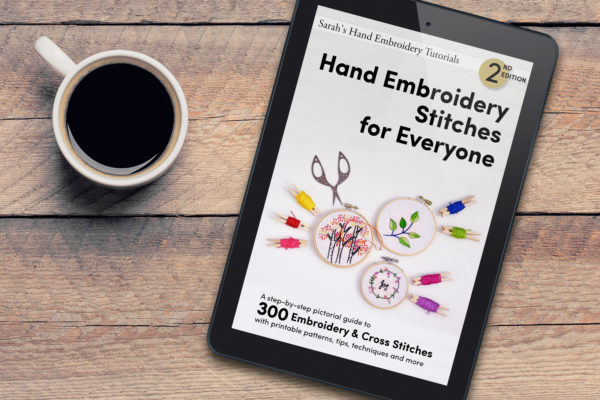
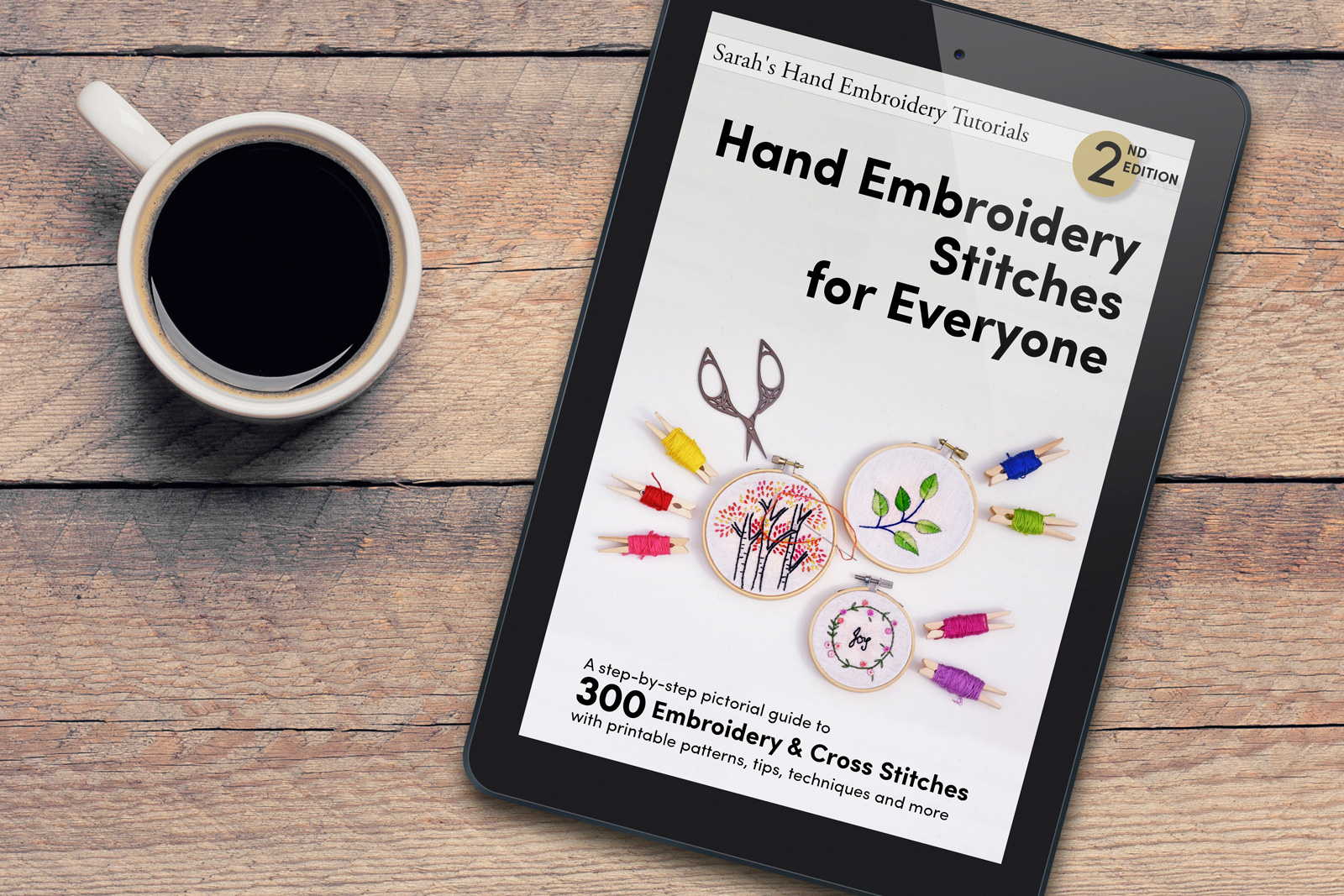
We have a dedicated Hand Embroidery Book with the picture dictionary and step-by-step guides to each of these 306 stitches. Buy now and start stitching!
 Sarah has been researching and sharing hand embroidery lessons for over 20 years, making it accessible to everyone around the globe.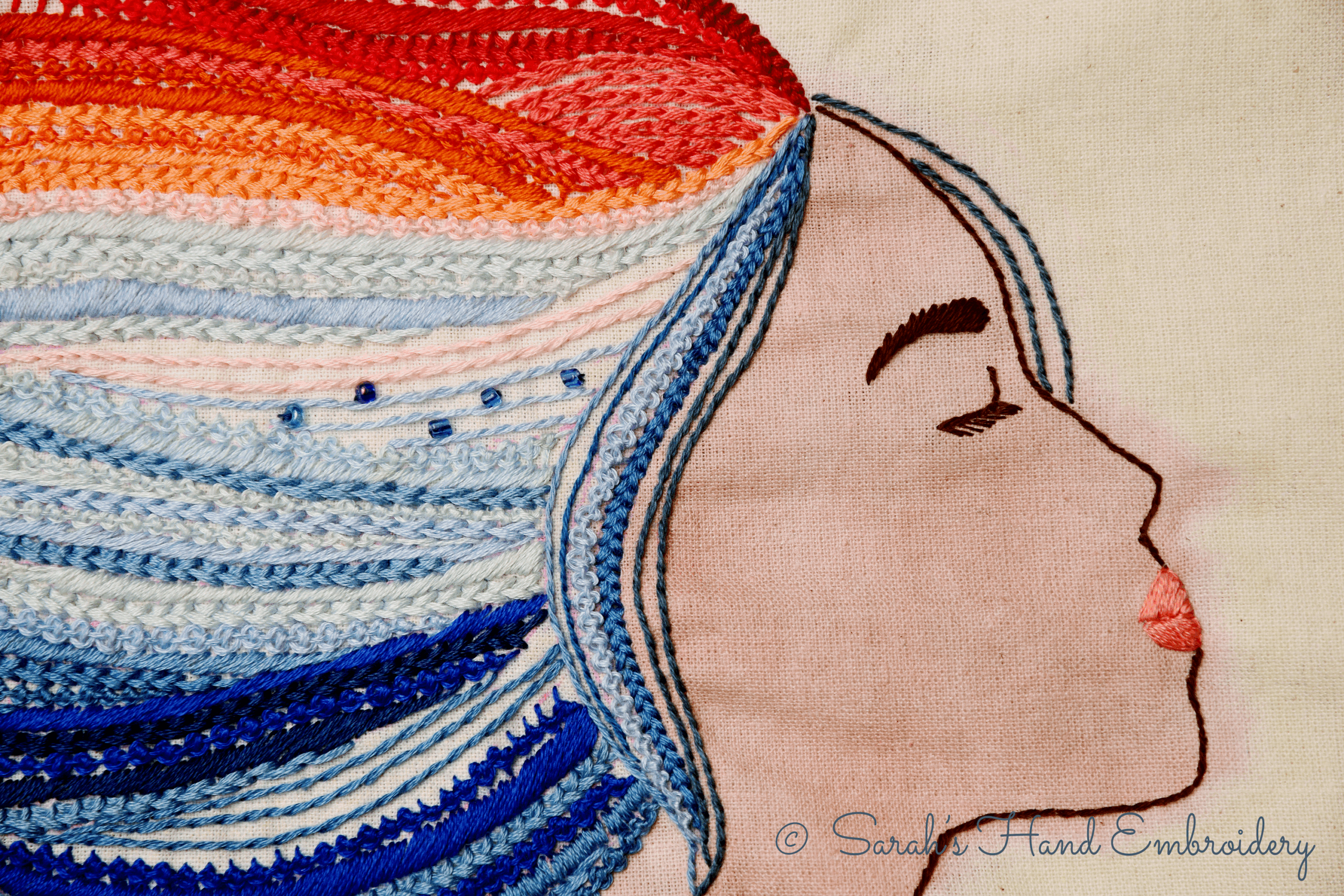



I have an embroidery kit

which generally identifies what the stitches are but it does not identify the stitch for the 3rd row down under the words “STRAIGHT STITCH”. Can you identify what stitch I need please ?
Looks like the Double Cross Stitch: https://www.embroidery.rocksea.org/stitch/cross-stitch/double-cross-stitch/
Thanks very much for that. So hard to tell when the photo supplied with the kit is blurred!
I am going to do that part in double cross stitch
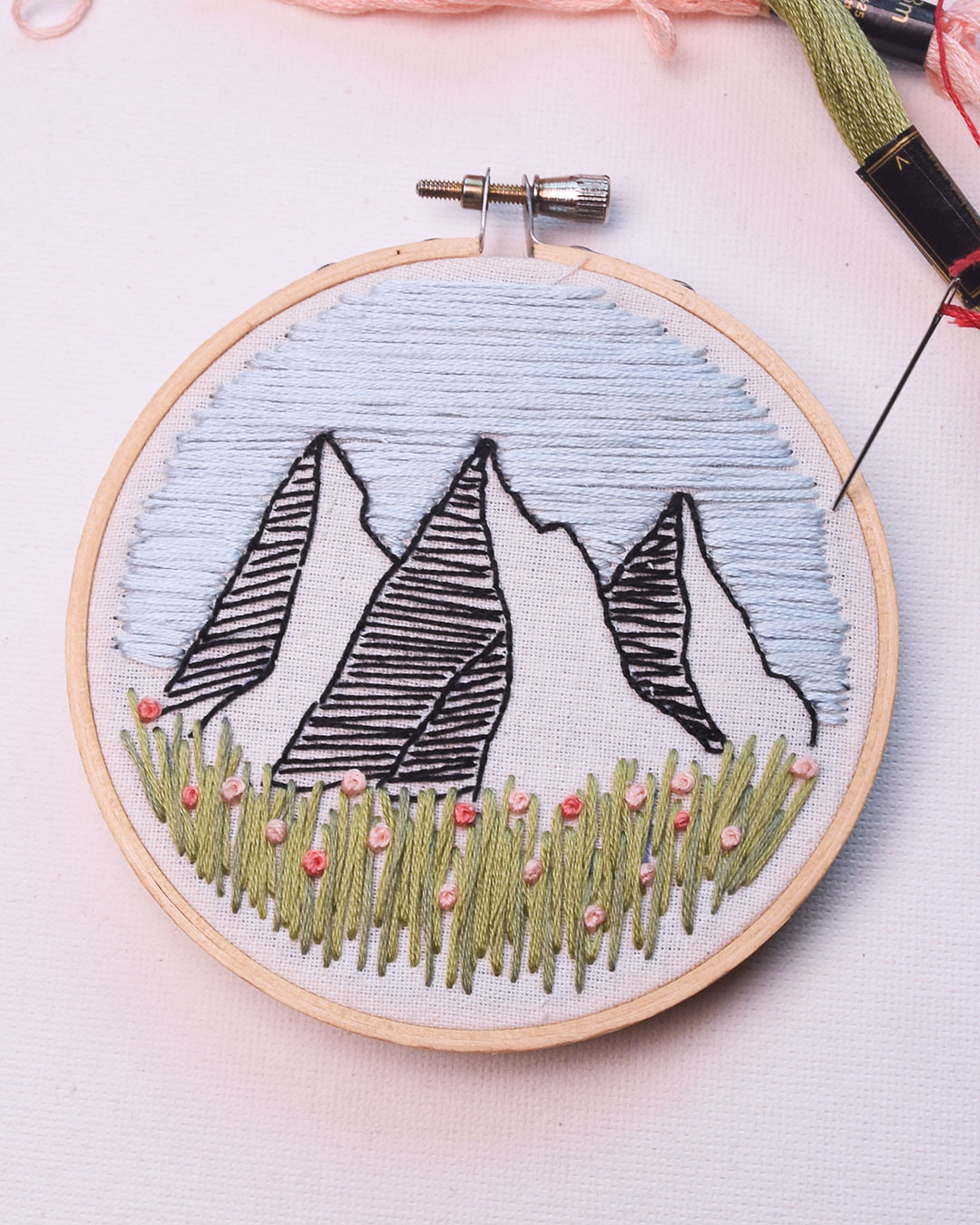
Which stitch would u use for this? I tried various ones, but none look right.

Hi Tracey,
I woudl suggest the following:
1. Back Stitch and Stem Stitch for the outlines
2. Lazy Daisy for the leaf or petal shapes
3. French Knots on the dots
4. The small lines here and there can be donw usign short straight stitches.
I hope this helps!
awesome I like the chain stitch the most
Hi Caleb!
I agree it is a lovely looped stitch and many cultures have used chain stitch in their traditional embroideries!
Bonjour, Vous êtes un dictionnaire de points. Quel talent et quel travail pour en arriver là. Merci de votre partage. Petite question .
Avez vous dans vos video ” le point de “Ceylan ? Merci, Marie
It’s lovely to read your comment, Marie! Thanks.
Yes, we do have a video of the Ceylon Stitch. Please check: https://www.youtube.com/watch?v=sYnkepaX7yI
Hope you like it!
I am an amateur embroiderer and found this page! Thank you SO much!!
Thank you, Fran, for dropping by! I am so happy that you love our pages.
xoxo
Hello Sarah
Can you plz tell me which stitch is Italian Insertion or Italian Faggoting stitch
I have searched in your book which I purchased from your site I couldn’t find
Can you plz help
Hi!
Please check for teh Plaited Insertion Stitch. That is the only insertion stitch I have in my eBook. I hope it works!
thank you for the tutorials
Thank you for dropping by, Kayden! So glad you like our pages.
thx for the tutorials
thx for the tutorials
Hello ,
Can you help me identify what stitch this is? I love the texture

Hi Liz,
The picture is not clear, but I can gauge that it is the Long and Short stitch – a satin stitch variant often used to make smooth fillings.
Thank you so much you are amazing
Thank you for dropping by, Mili
Thank you, for all the information you give
Thank you, Johanna! Glad that you like our pages!
This is a wonderful resource. Although RSN now has a stitch bank, they have so many that it’s overwhelming. This page is simple and to the point as are the very clear instructions for each stitch. I see quite a few that I’d like to make samples of.
Thank you, Sandy. It took us years to research and compile all these stitches. Knowing that you like it makes us feel great! XO
I am a graduated tailor and I am STILL learning from you, ’cause this is the best source for embroidery learning. You’re amazing, Sarah, thank you so much for your content.
Thank you fo dropping by! I am so happy to hear that you love our pages!
xoxo
LOVE LOVE LOVE this page so much, Sarah you’re a legend <33 keep up the good work!!
Thank you!!!
Hi
Do you know this stitch is called. My late mother was practicing this stitch before she progressed to making a tapestry and I would love to know more about this stitch and style of embroidery please
Hi Jacqueline,
This is a kind of needlepoint embroidery work called Bargello.
Sarah
Thank you very much Sarah
I was searching the Web for different embroidery stitches and I found your site. It’s has been the most helpful when I just can’t think of a good stitch combination for the crazy quilt I’m making. I have one more patch to complete and will continue trying the variety of stitches on your site. Thanks.
We are so happy that our pages are helping you! 🩷
Embroidery
Embroidery
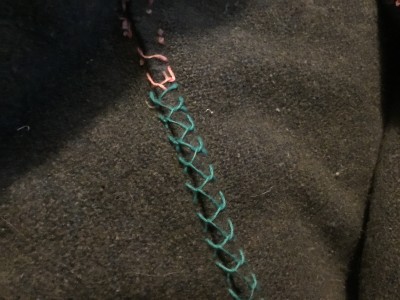
I have to replicate this stitch on a quilt I am restoring. Having trouble figuring out what the heck it is…..
Hi Mary,
This is the Breton Stitch. My tutorial shows one-sided Breton, but you can work the technique on both sides to get that ‘twisted’ effect. Check the tutorial to know what I mean: https://www.embroidery.rocksea.org/stitch/herringbone-stitch/breton-stitch/
Hope this helps! ☺
Yes! I tried tracing it with thread and that’s the same conclusion I came to, but it’s good to have that verified!
perfect! 🙂
Can someone kindly identify these embroidery stitches and techniques used by my mother Esme in the early 1930s, on a silk runner edged with lace?
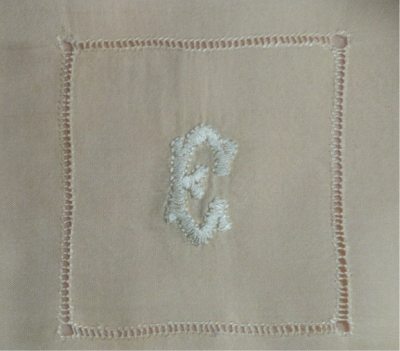
Hi Ian,
From what I can figure out, the stitches used are:
1. Satin stitch to fill the inside of the letter: https://www.embroidery.rocksea.org/stitch/satin-stitch/satin-stitch/
2. Back Stitch to outline the letter: https://www.embroidery.rocksea.org/stitch/back-stitch/back-stitch/
3. She used the Drawn Threadwork technique (hemstitch edging) to create the square frame with holes.
I hope this information helps.
Thank you so very much, Sarah!
Another detail for my family history and, in particular, for a needlework-interested and inquisitive Swedish granddaughter…
Wishing you well,
Ian G. Layton
Your shared knowledge really helped me in a constant way.
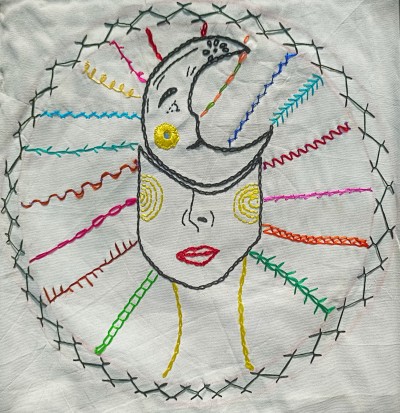
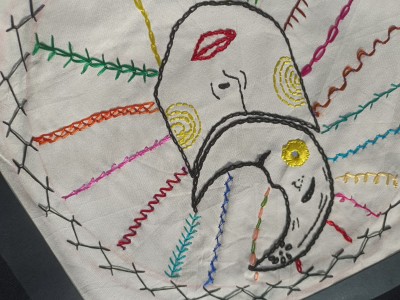
Thankyou for the guidance ma’am❣️
Hi Parita. Thank you for sharing this beautiful sampler with us. Such a nice pattern to practice the stitches! Lovely attempt. 😍
Embroidery
Thank you for the wonderful book. It gave me courage to try things that I would not have done before.
I would not have attempted this without your website and stitch guide.
Dear Cherice,
What a beautiful piece of work! I am so proud you referred to our eBook to guide you through this work. Love it! Thank you so much for sharing this with us. ❤️
Where did you get this pattern? This is awesome!
I’d like to use it if you have the pattern, if I may.
I’ve become more and more interested with embroidery and it’s all thanks to you and this priceless guide to everything you can imagine!
I live abroad and I’ve tried to reconnect with the embroidery of my country and your guide has become an indispensable help for me. Thank you so much.
Thak you so much, Magali, for dropping by. Your comment brought a big smile to our faces. We love it that our pages are helping you in your interest in this art.
Are you by chance Hungarian? My grandmother was and though she died when I was young I remember her embroidery (I have a sample), and her pastries and apparently they’re all connected. As I’ve gotten older I gotten intensely interested in these things. A way to connect I guess!
Hi Teri,
Was this a question for me or Magali? 🙂
I am not a Hungarian (as you can see). I come from a land of rich textile, weaving, and hand embroidery tradition- India.
Hi Mahalakshmi,
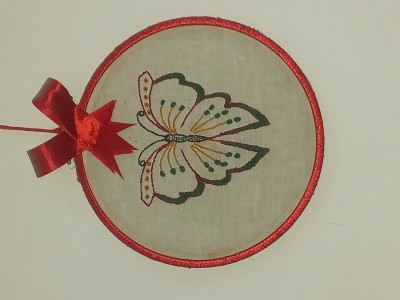
Thank you for sharing this sample with us. It is a beautiful attempt. 🙂
U r just awesome ,I am also a embroidery instructor. But I am impressed with u. Do sweet of u mam
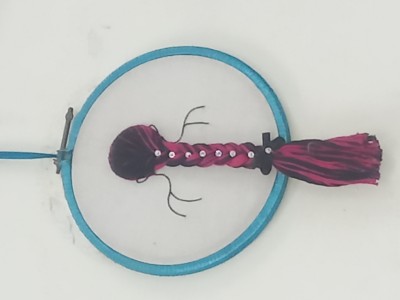
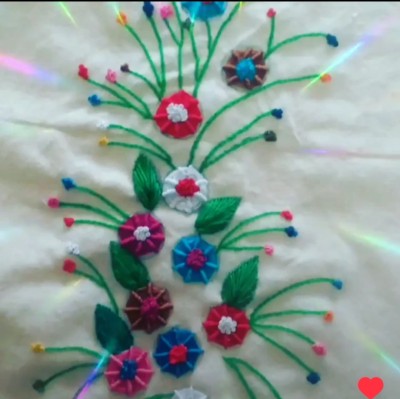
Thank you,Bimla. ☺️ Your work is beautiful too.
Thanks a LOT 🙂
Please never delete this page, it’s so useful <3
Thank you, Noém. This page will be here forever! ❤️
This book is amazing and exciting.! If this is yours,I would definiitely love to buy one. I have no way to download this wonderful instruction book..thank you so much for sharing this incredible lesson in embroidery!
Sandra
Thank you, Sandra. ❤️
Ok. Lets try this … an example of stitching from the back for stitching on velvet.
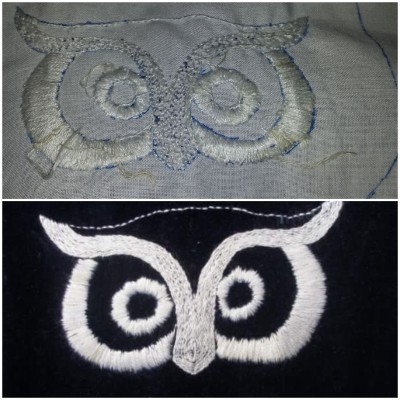
Awesome. Thank you for sharing this, Susan.
Hi Sarah!
I’ve been using your stitch instructions and have become a lot more serious about embroidery. I wanted you to see a couple of pieces I did recently.
Warm regards,
Millie
Hi Millie,
I am so happy to hear that you are enjoying hand embroidery. ❤️
Of course, you can post your works here. We would love to see them. You can uoad the photo files in the comment section.
There must be a trick to remove the map transfer. It is impossible to tear off without damaging the embroidered constellation map. Especially the stars. Any suggestions?
I ordered and paid for this yesterday, but the remote server crashed and I have not been able to follow the download link as the page won’t reload. Can the book be emailed to me please??
Dear Mary-Jo,
Thank you for purchasing our eBook. I have emailed you with a resolution. Please look for the email in your inbox. In case you do not find it there, check your spam folders too.
Warm regards,
Sarah
As a longtime crafter but newbie embroiderer, this guide has been so helpful and will continue to be as I try and learn different stitches. I traced my daughter’s drawing to make a present for Father’s Day and used the guide to also turn it into a bit of a sampler with at least 13 different types of stitches.
You are just awesome… I learnt about embroidery. But I don’t know there are many many types of embroidery and this is very useful.. Hats off and thank you so much 🌹
Thank you, Abinaya! More pages to come. I hope you enjoy all of them!
I am wanting to work with black or dark blue velvet. What type marker can b3 used on this type fabric? I think this would be a very important thing for everyone to know. Thanks for sharing. I have no photo to send but will have one as soon as I find the correct markr to use on dark colored velvet………………….Thanks again
Hi Sylvia,
Velvet, and that dark too, can be tricky.
One great way to transfer the pattern onto velvet would be to use a dissolving stabilizer. You can print or draw your pattern on it, stick it over the velvet, stitch over it, and wash it away! Here is a link to the product for you to check out: https://amzn.to/3vO2Hbx
Another way would be to use wet chalk markers. I have not used them personally, but I have a feeling that they should work well on dark velvet fabric. It can wash off easily too. Here is the link for you to check it out: https://amzn.to/3ifoPIa
I hope these help! Let me know. 🙂
I have copied your suggestions down. I am going to try the wet chalk. I am pretty good at copying things *** as you have probably sw3n. I will take photos and let you know. AGAIN……..THANK YOU VERY MUCH FOR THESE SUGG3STIONS.
Perfect!
Sarah and Sylvia … I was taught, back in the dim reaches of time, to trace the image onto a piece of thin cotton like muslin. Then baste that to the **back** of your fabric and stitch. It does take a little bit to get used to it, but it works really well.
Hmmm. Wonlet me upload photos. I’ll try it in a Real Post and not a comment.
Thank you, Susan. It is a great tip.
Is there a stitch that looks just as good on the back of the item?
Hi Anna.
Some stitches that can look as good on the back are:
1. Running Stitch
2. Holbein Stitch
3. Satin Stitch
4. Closed Herringbone Stitch (shows a double back stitch on the back)
5. Chain Stitch (shows a back stitch on the back)
6. Herringbone Stitch (shows running stitch on the back)
Hope this helps.
Thank you so much!
Hello! This is a wonderful resource, and I’m very excited to find it. I’m just learning embroidery, and this will be a great resource!
I do wish to inform you of a little known fact: Esk*mo is a slur against the Inuit people, meaning “snow-eater”. Would it be understood in the embroidery community at large if I referred to that stitch as the Inuit stitch instead? And I’m curious! Was it named by the people, or because it looks like a stitch the Inuit use in their clothing?
Hi Heather,
Thank you! I never knew that the term ‘Eskimo’ is a slur. I appreciate you letting me know of it. I did a little research and feel compelled to explain that it is wrongly understood that the term ‘Eskimo’ means snow-eater or raw-meat eater – though it is still a popular belief. The term originally means…
According to Wikipedia it’s a term the Algonquin tribe, a Canadian native tribe from the southern part of Canada, used to refer to the natives from the north.
Algonquin: Ayas̆kimew – “A person who laces a snowshoe”.
French: borrowed from Algonquin and made into a french word, Esquimaux.
English: simplified from either French or Algonquin, Eskimo
The embroidery community might not understand if you refer to this stitch as the Inuit Stitch, but they might learn that it is an alternate name. For those who feel the original term is not appropriate, they will be relieved to have the alternate name. 🙂
I am not sure of the origin of the name of this stitch. But, here is my explanation-
The Inuits and Aleuts used a reversible stitch to join the seams of their parkas, which means it looked the same on either side. To do that, they would make a row of Running Stitch closer to the edge, and then, with a heavier thread, they would start lacing it under the Running Stitches on both sides. This process is explained in the Stepped Running Stitch Variation 1 ( Gut Raincoat Stitch) tutorial- https://www.embroidery.rocksea.org/stitch/running-stitch/stepped-running-stitch/.
What you see here is an imitation of how the stitch would appear on one side- a decorative adaptation into surface embroidery.
Thank you Sarah! Both for the explanation, clarification, and the little tidbit of history! I much appreciate it. 😀
Here’s a link to a bit more accurate and detailed clarification, including an explanation on why those terms are not equivalent: https://www.aaanativearts.com/alaskan-natives/eskimo-vs-inuit.htm
Thank you, Chris. After some deliberation and study, we decided to call the stitch just the ‘Laced Edging Stitch’.
This picture dictionary is amazing! Thank you very much for this. I just knew some basic stitches but am definitely going to try out all these beautiful stitches.
Thank you, Ruby! 💕 This is a growing dictionary, which means, new stitches are being added to it periodically. I hope you enjoy trying them out. You can also share some of your stitches as a part of the comment! ☺️
Merci pour ce dictionnaire d’images ainsi que pour les explications pour exécuter les points. Cela va beaucoup m’aider pour un petit patchwork crazy. Votre site, que je viens de découvrir, est super, merci encore. Bonne soirée.
Awesome, Marijo! Thank you. ❤️
Thank you for your picture dictionary…………..Beautiful site you have and it is helping me a lot. ALWAYS have a good day and enjoy the good work you do. I’ve sent you a picture of my first attempt…….Thanks again